
CENDEF × CRI
MASTERCLASS SERIES, with Prof Extraordinaire Paul Prinsloo
Thinking critically about academic work in a changing world
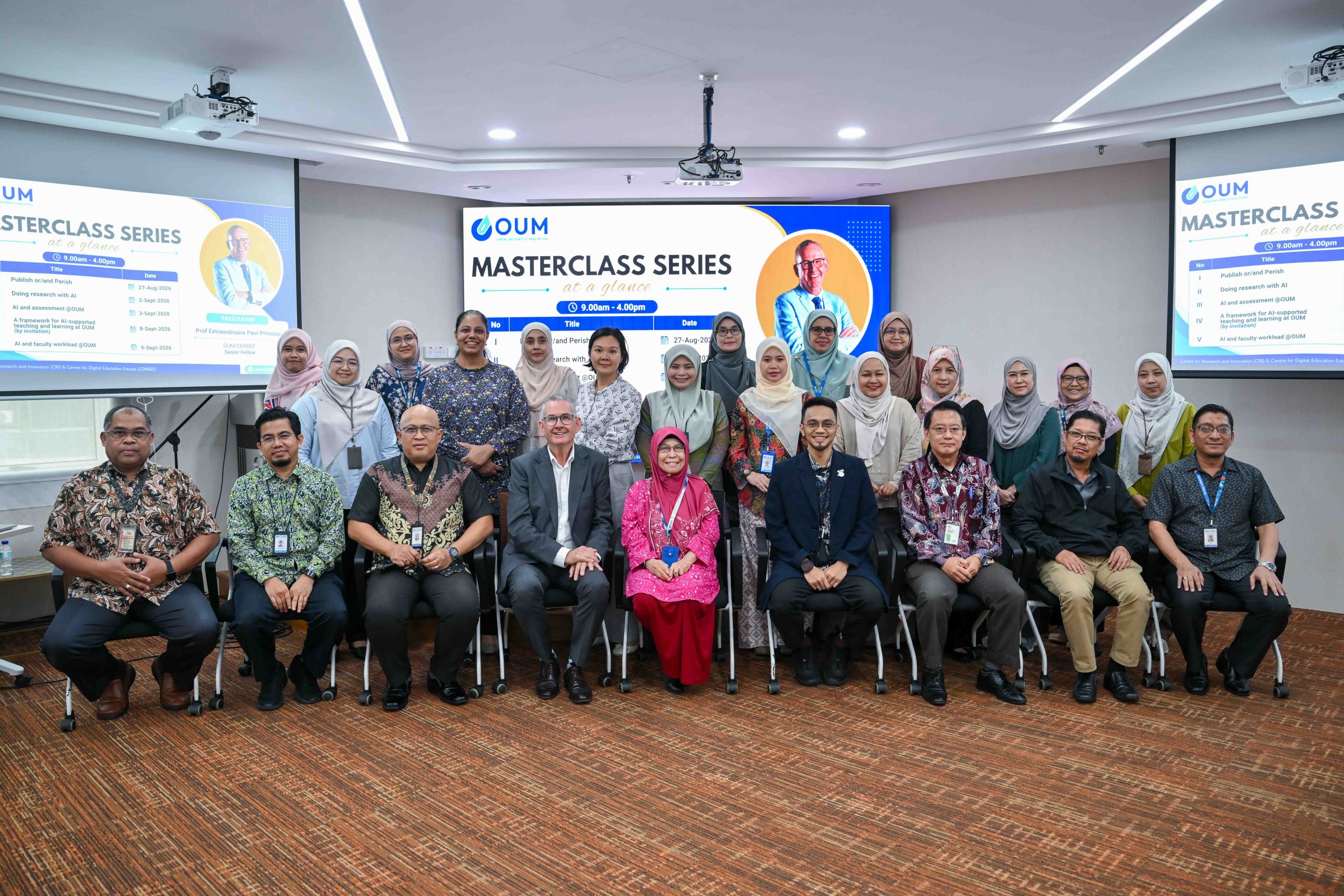
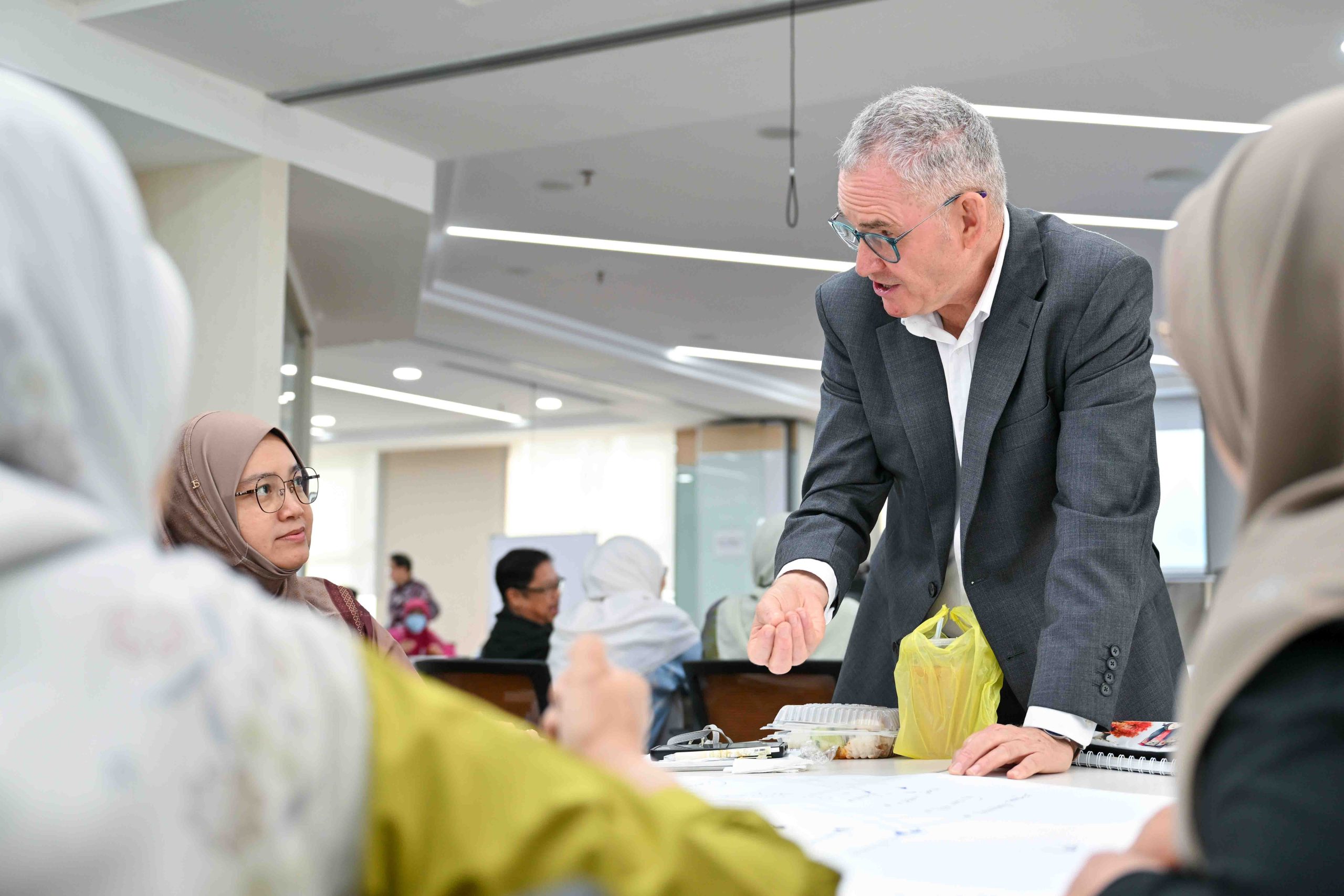
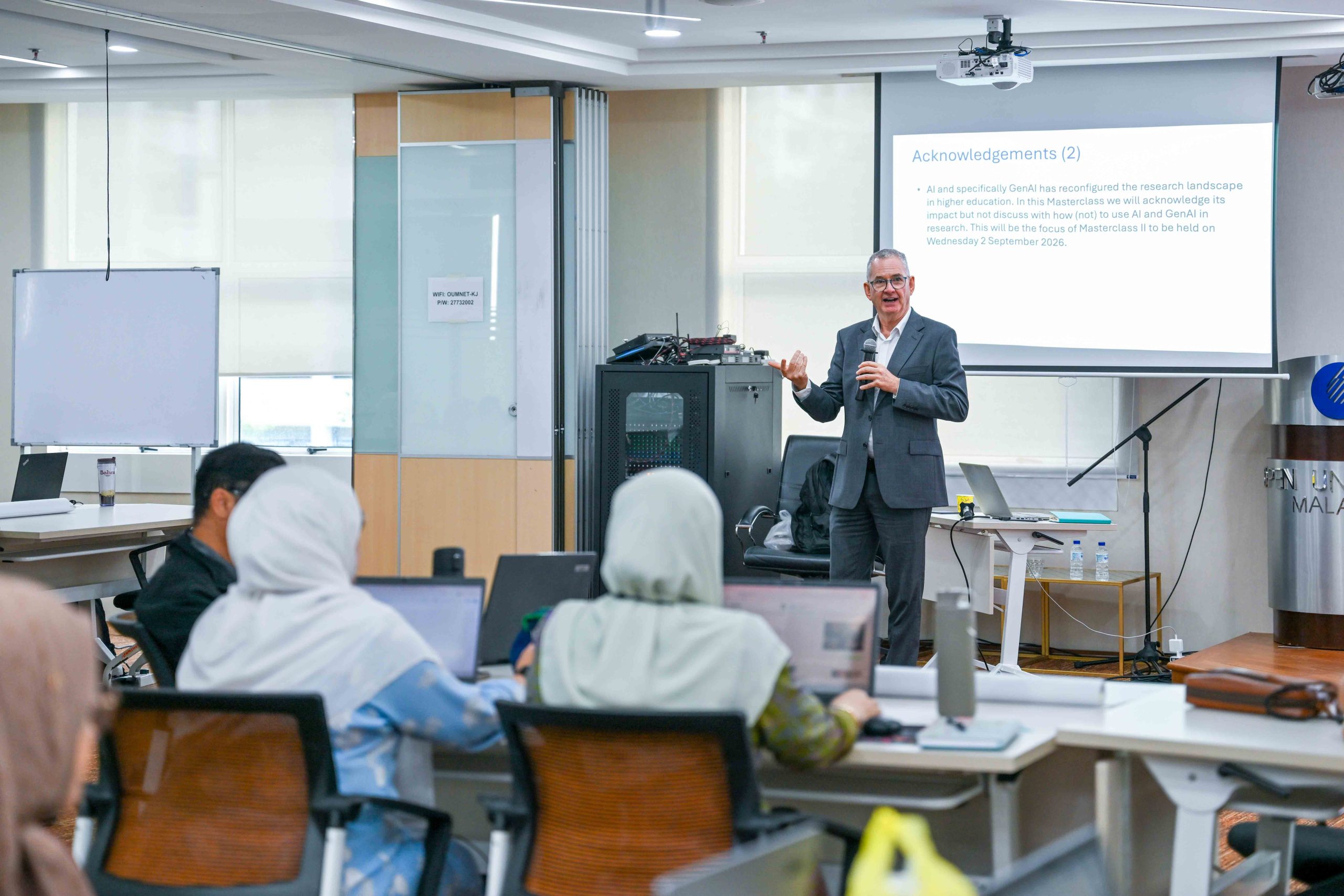
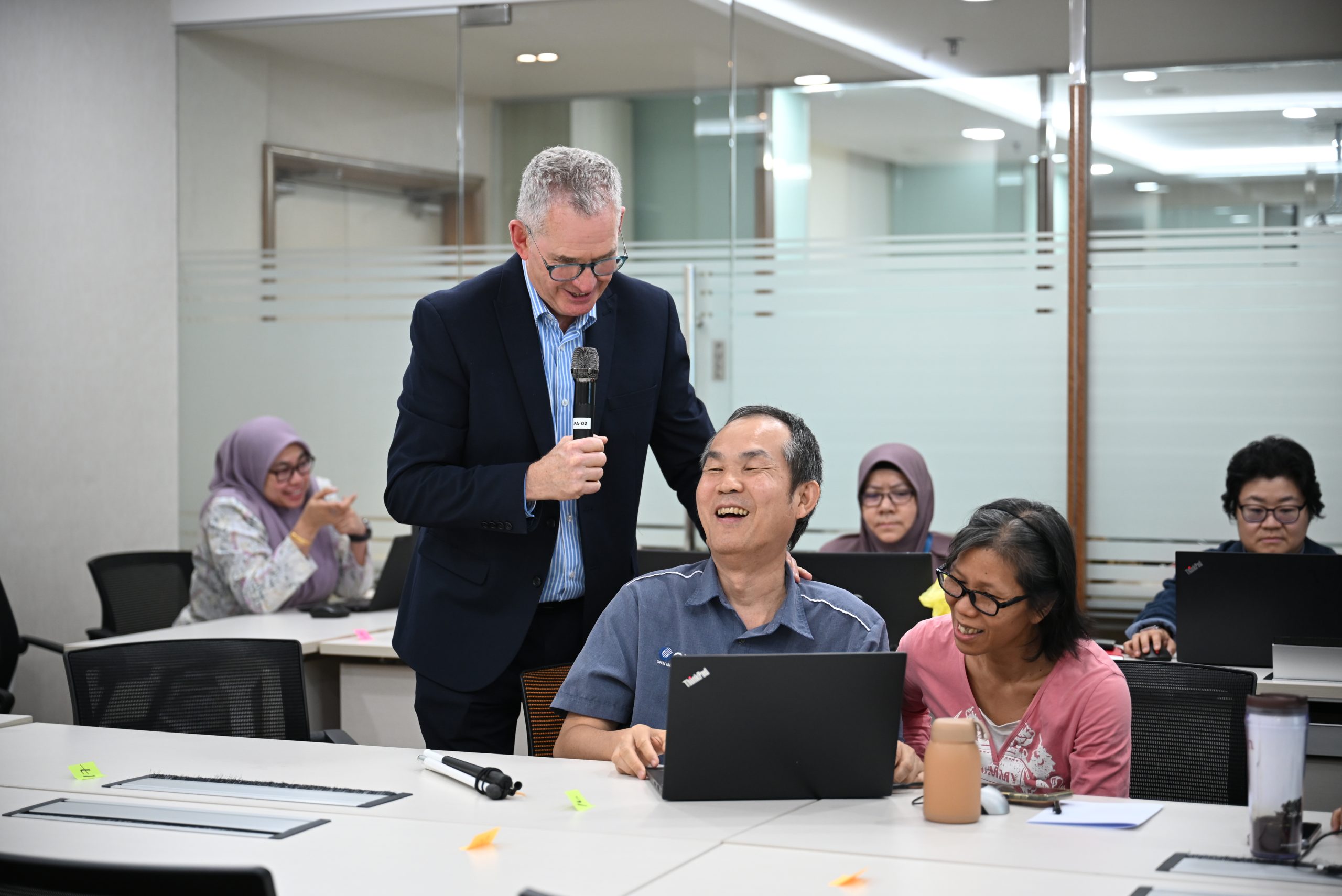
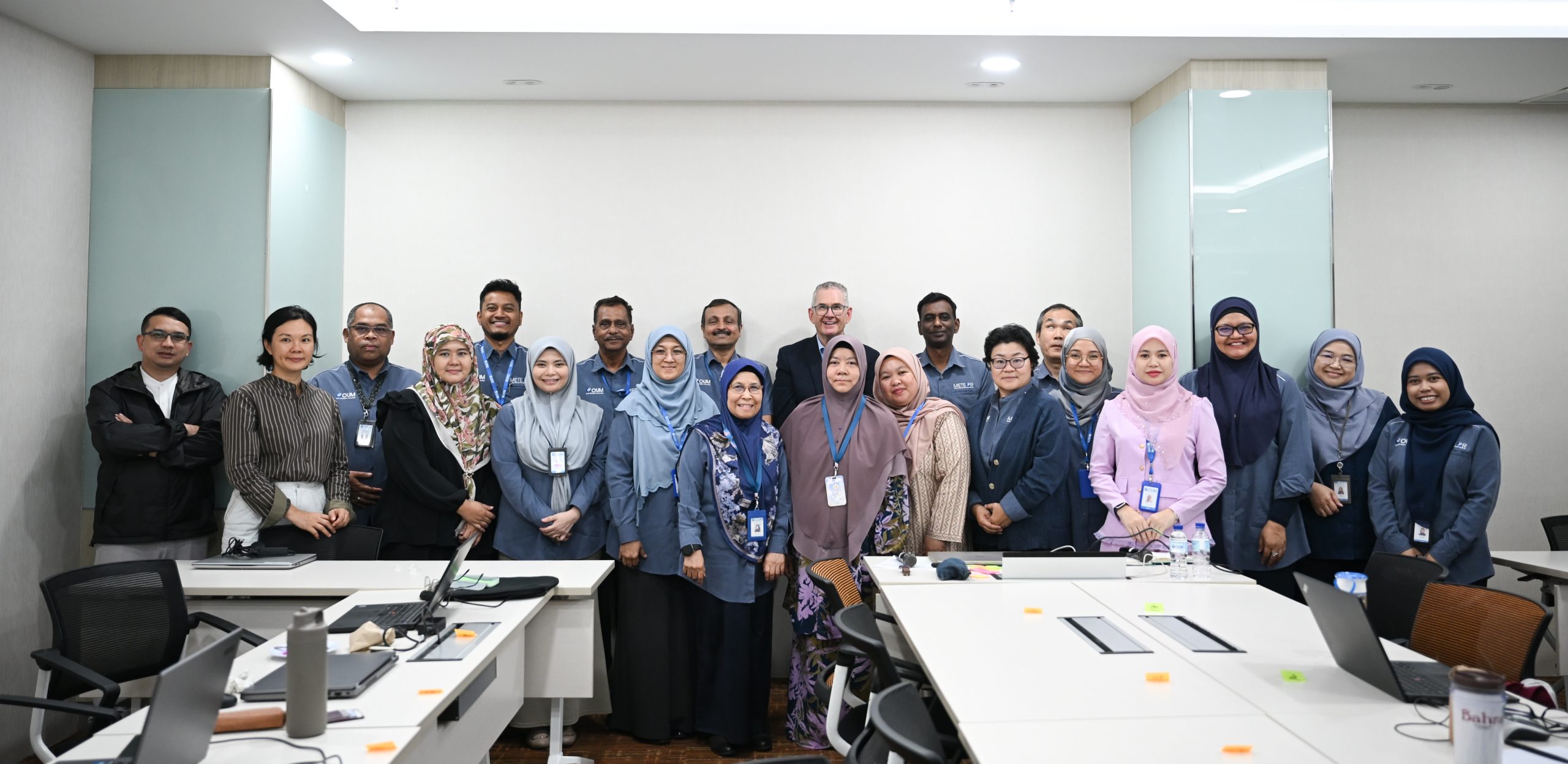
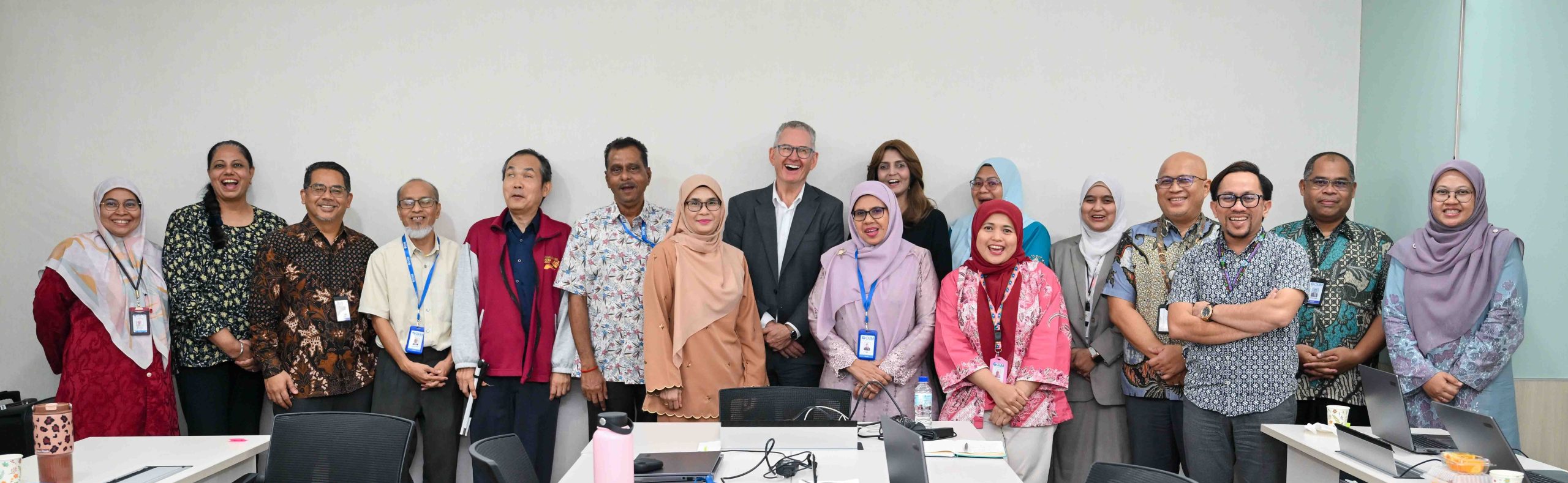
A collaboration between Open University Malaysia’s Centre for Digital Education Futures (CENDEF) and Centre for Research and Innovation (CRI), this five part series brings OUM academics into sustained engagement with Prof Extraordinaire Paul Prinsloo, a leading international scholar whose work spans digital education, artificial intelligence, data, ethics and higher education.
Across five masterclasses, the series examines how AI and wider changes in higher education are reshaping research and publishing, teaching and learning, assessment, student success and academic work. Participants engage critically with emerging evidence and challenges, reconsider established practices and work towards practical responses for OUM.
At its heart is a sustained critical dialogue about what it means to be a researcher, educator and academic in a rapidly changing higher education landscape. The series invites us to question established assumptions, deepen our thinking and practice, and consider how academics and institutions can shape rather than simply respond to the changes transforming higher education.
S E R I E S A T A G L A N C E
IV A framework for AI-supported teaching and learning at OUM
V AI and faculty workload @OUM
M A S T E R C L A S S I
Publish or/and perish: Making informed choices as a researcher
27 August 2026, 9 am – 4 pm
B A C K G R O U N D
Doing scientific research and publishing the outcomes of that research have always been fraught with challenges. These include workload, choosing the ‘right’ journal, getting rejected, and the growing pressure to publish yet more research. For many years the saying “publish or perish” meant that if you did not publish, you did not have a career in academia. Recently, researchers increasingly feel that it is a matter of “publish and perish,” as they face mounting pressure to publish, driven among other factors by institutions wanting to raise their rankings, by promotion criteria, and by incentive schemes. Responding to these pressures, researchers are tempted to take short-cuts, to focus on low-quality journals, and to make less wise choices in selecting publication outlets. This Masterclass gives researchers an overview of the critical factors to consider in planning a research career, selecting publication outlets, dealing with rejection, and building a scholarly profile.
M A S T E R C L A S S I I
Doing research with AI: Addressing the “why?”, the “why not?”, the “how?” and the “what then?”
2 September 2026, 9 am – 4 pm
B A C K G R O U N D
It is an understatement to say that Artificial Intelligence (AI), and more specifically Generative AI (GenAI), has radically reconfigured researcher identities, the planning and execution of research, the publishing of findings, and the validation of research claims. In many academic circles the use of GenAI in parts of the research process is still highly frowned upon, while for many researchers it opens opportunities for deeper, faster and more meaningful work. What is ethical? How do we use GenAI responsibly and transparently? And how do we guard against the negative effects of using GenAI on researcher reputation, on competencies, and on the very being of a researcher? This Masterclass gives researchers an overview of the critical factors to consider in using AI, and specifically GenAI, to do research in ethical, responsible and transparent ways.
M A S T E R C L A S S I I I
AI and assessment @OUM
3 September 2026, 9 am – 4 pm
B A C K G R O U N D
The launch of ChatGPT in November 2022 and subsequent developments in Large Language Models (LLMs) have not only reconfigured knowledge, teaching, learning and research, but have turned assessment strategies upside down as students use them to complete their assessments, both formative and summative. While there is much hype around the affordances of LLMs, there is also increasing evidence of their negative impact on the cognition, memory and competencies of students, with the most vulnerable students affected the most. At OUM there is evidence in some modules of pass rates that increased exponentially in 2025, and in the first semester of 2026, compared with success rates in the past. This Masterclass explores empirical research on the impact of LLMs on students’ learning, as well as innovations in assessment practices.

M A S T E R C L A S S I V
A framework for AI-supported teaching and learning at OUM
8 September 2026, 9 am – 4 pm
B A C K G R O U N D
Artificial Intelligence (AI), both rule-based or symbolic AI and Generative AI, offers many opportunities not only to support responsible student success in digital higher education, but also to provide personalised learning, responsive cognitive, administrative, psycho-social and technological support, and greater self-regulation without compromising quality. This Masterclass will co-develop a draft framework for AI-supported student success at OUM.
M A S T E R C L A S S V
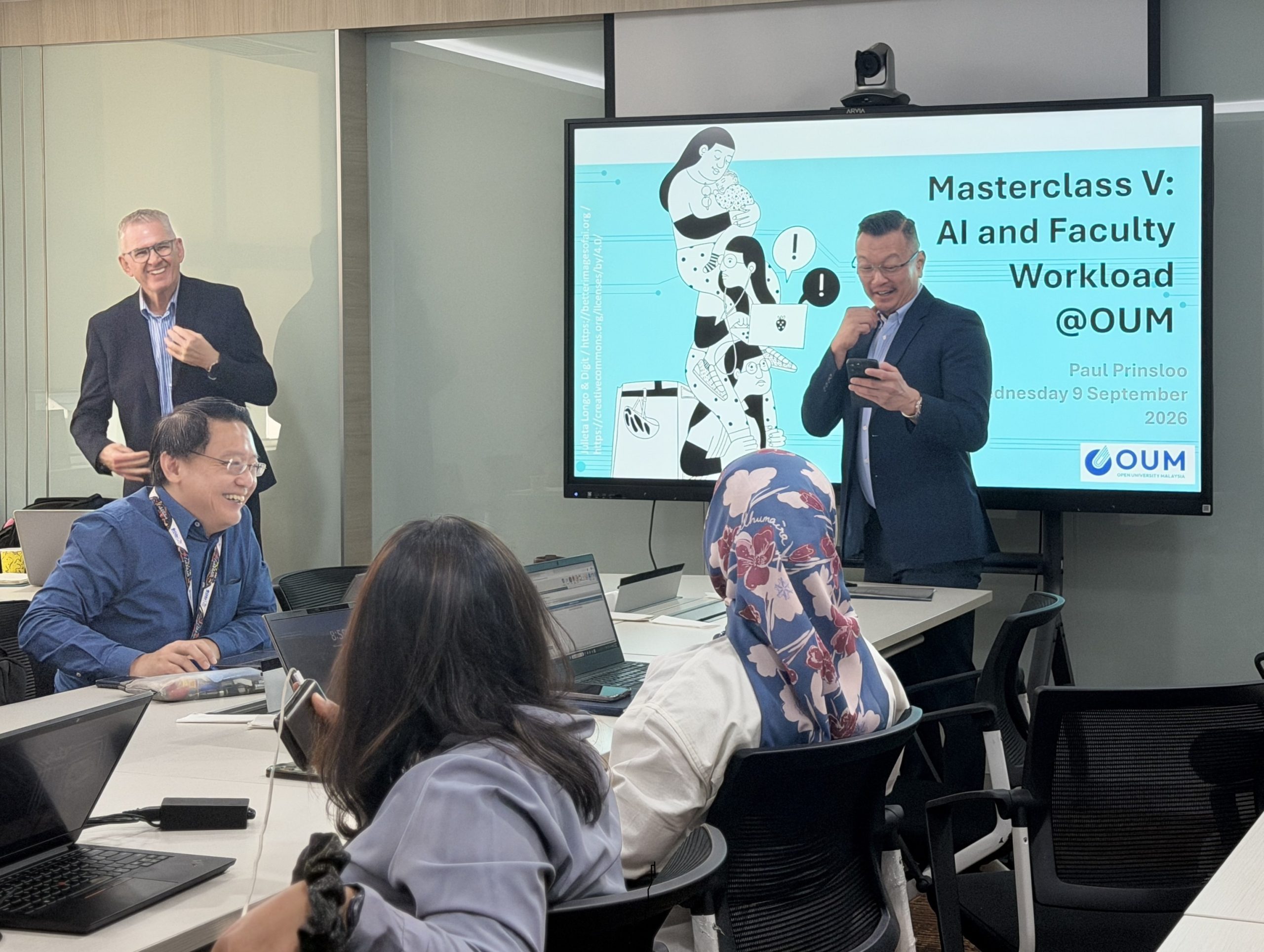
AI and faculty workload @OUM
9 September 2026, 9 am – 4 pm
B A C K G R O U N D
Academic workload, in distance and digital contexts, has always been contested, sitting at the intersection of the number of semesters, scale (student numbers), student support (the role of tutors, for example), curriculum, pedagogy and assessment, research, and technology. Since the launch of ChatGPT in November 2022, and further advances in Artificial Intelligence (AI) and specifically Large Language Models (LLMs), a prominent feature of the hype has been the claim that these tools will reduce teacher workload, automate routine tasks, and free up time for academics to do what they really want to do. Contrary to the hype, evidence suggests that the use of LLMs has not necessarily reduced teacher workload but has intensified teaching.
About the Facilitator
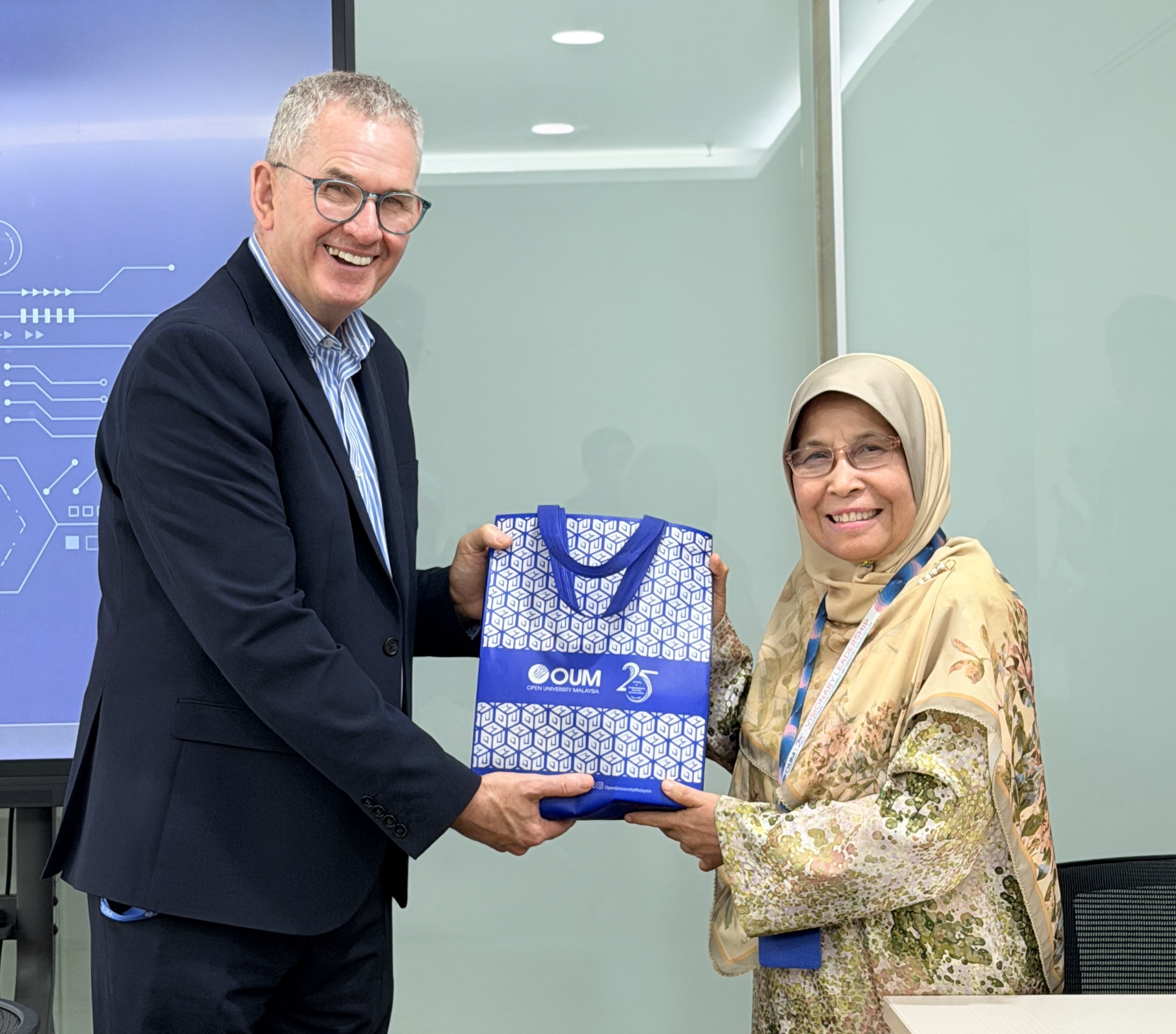
Prof Extraordinaire Paul Prinsloo is an OUM-CENDEF Visiting Senior Fellow